At HLA Institute, we are at the forefront of HLA and transplantation tissue typing research, aiming to enhance the compatibility of organ transplants and improve patient outcomes. Our advanced HLA typing technology allows for precise identification of human leukocyte antigens, ensuring that recipients and donors match optimally. This cutting-edge approach reduces the risk of organ rejection and facilitates successful transplant surgeries.
Revolutionizing Transplantation with HLA Typing Technology
Our team of expert researchers is dedicated to developing innovative methods for HLA typing that enhance the efficiency and accuracy of tissue matching. By leveraging state-of-the-art technology and methodologies, we strive to provide healthcare professionals with the tools they need for safer and more effective transplant procedures.
High Resolution HLA Antigens- new products available
High Resolution HLA Antigens are available !- HLA Antibody tests coming soon!
“Expanding beyond human leukocyte antigens, our platform integrates HLA antibody detection with anti-non-Gal/xenogeneic antibody screening. This comprehensive approach is crucial for monitoring the humoral immune response in both allotransplantation and emerging pig-to-human xenotransplantation therapies.”
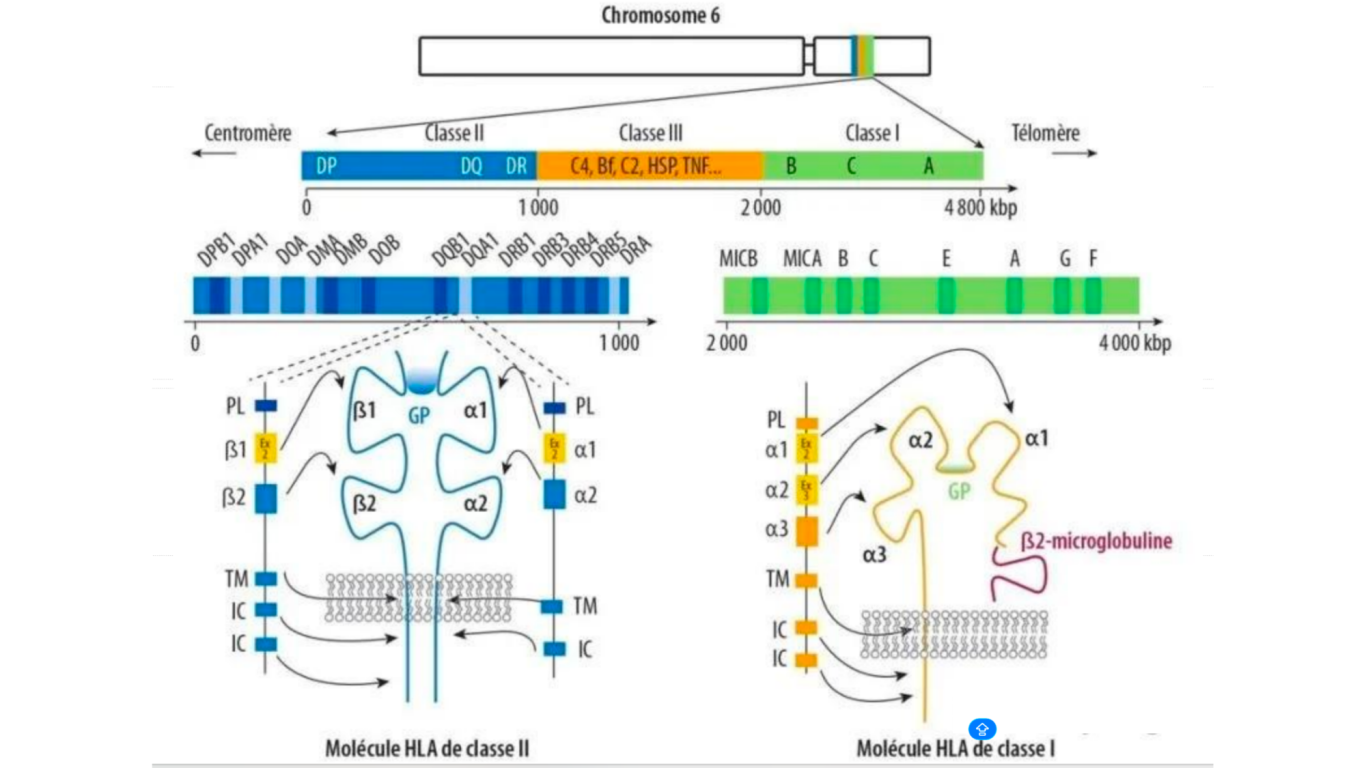
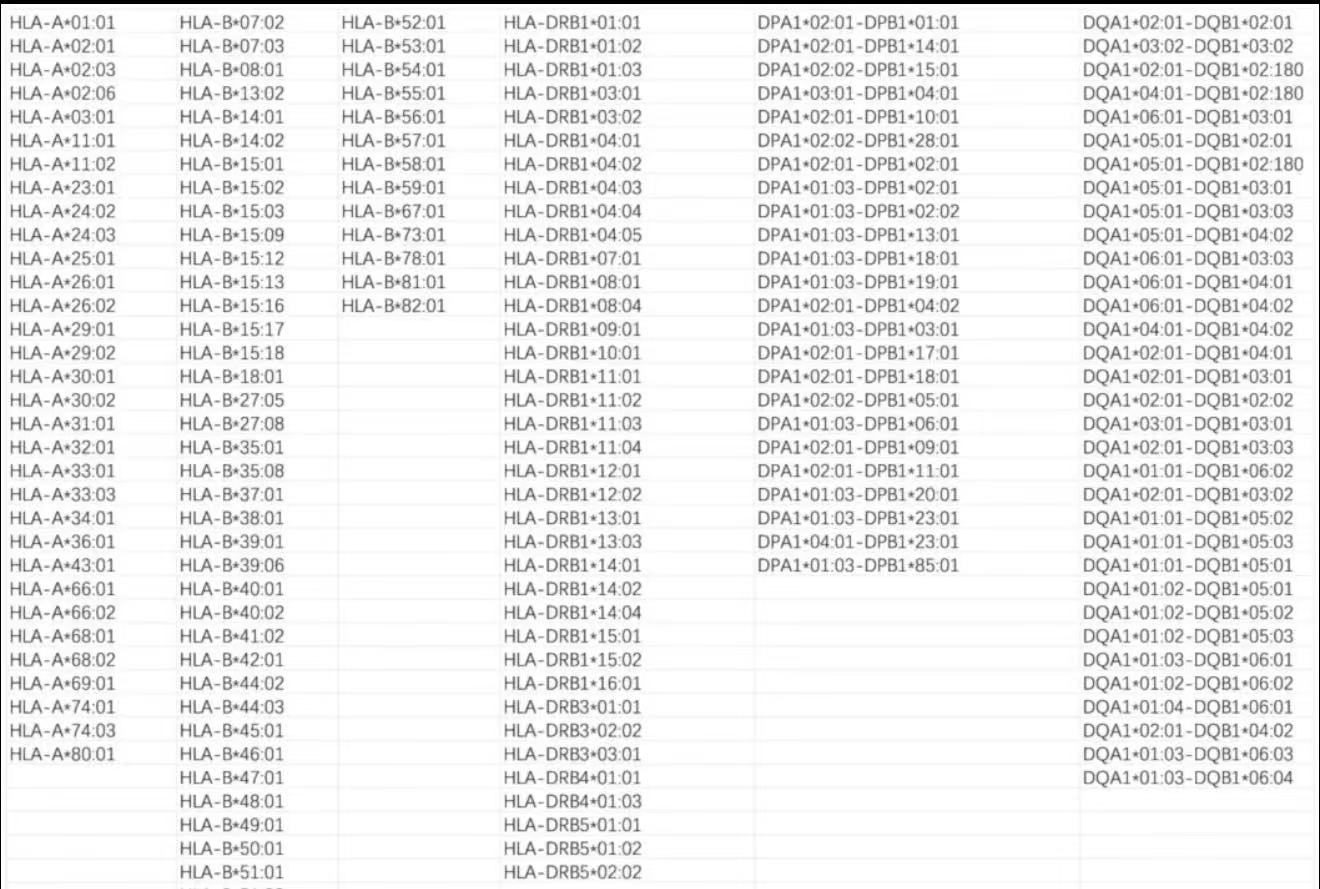
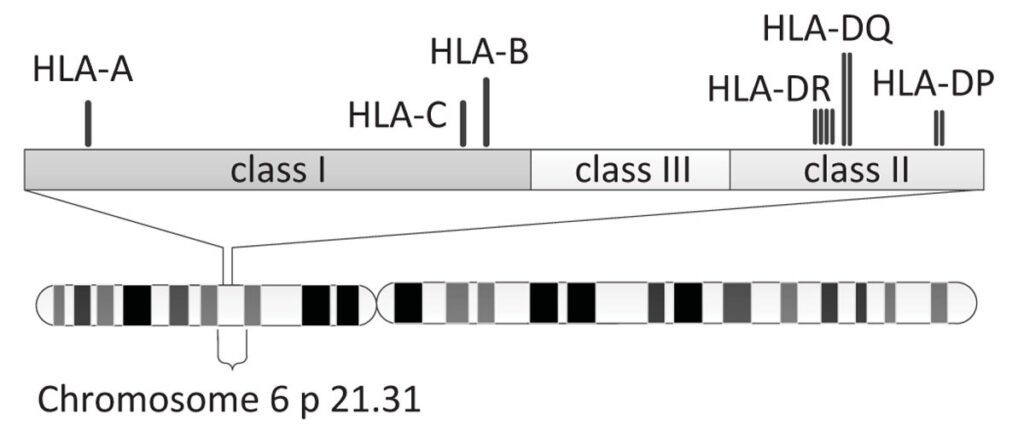
HLA Typing Technology
Kir Gene
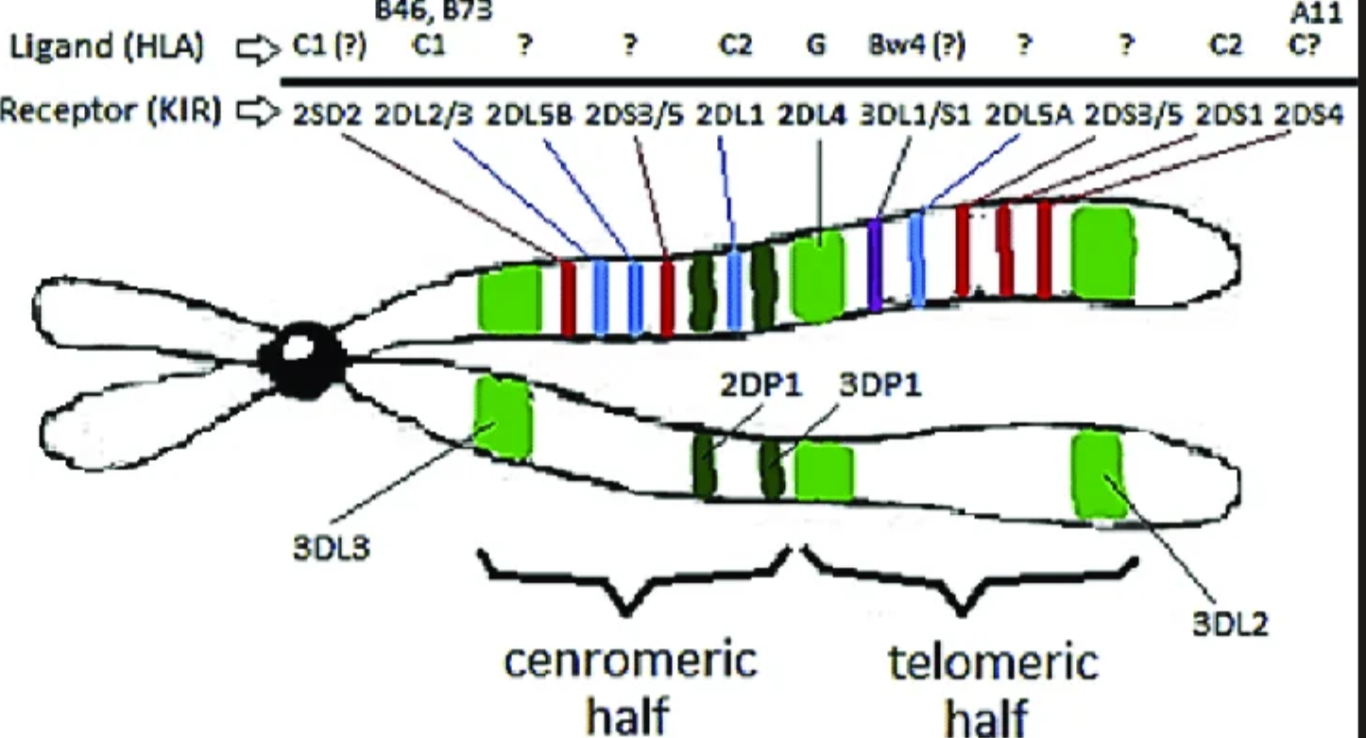
KIR Genotyping & Immunogenetics Analysis:
Custom Bioinformatics Report: Gene content table, haplotype assignment, KIR–HLA interaction matrix
HSCT Relevance: Prediction of NK alloreactivity, GvHD risk stratification, and GvL potential in donor-recipient pairs
KIR–HLA Ligand Pairing: Integrated analysis with HLA-A, -B, -C ligands to assess NK cell education and missing-self recognition
KIR Haplotype Classification: AA vs AB/BB (inhibitory vs activating KIR profile)
KIR Allelic Resolution (NGS): Where applicable, high-resolution allelic subtyping for research purposes
Full KIR Gene Content Typing: Determination of all 16 KIR gene presence/absence (KIR2DL1–5, KIR3DL1–3, KIR2DS1–5, KIR3DS1, KIR2DP1, KIR3DP1)